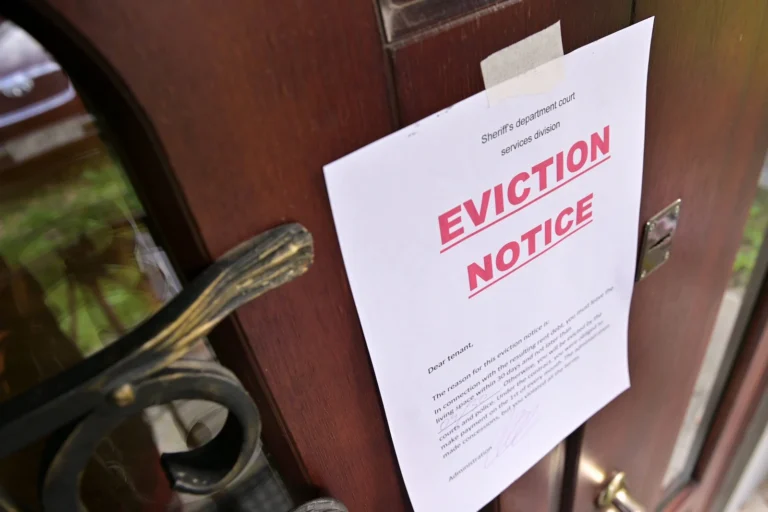

Many people mistakenly believe that “unpaid rent = immediate eviction.” In reality, it’s not that simple. The process must be followed correctly to protect your rights.
Rights of the Landlord
Under Thai Civil and Commercial Code, Sections 560 and 568, landlords have the right to terminate the lease, but must: Send a written notice stating the reason and the amount owed Give the tenant a deadline to pay or move out If the tenant fails to comply, file an eviction lawsuit in court. The court will issue an enforcement order, and officers will carry out the eviction
Key Documents to Keep
- Lease agreement
- Rent receipts
- Written warnings or termination notices
- Communication records with the tenant
Strictly Prohibited Actions - Changing locks
- Cutting utilities
- Removing the tenant’s belongings yourself These actions may constitute criminal offenses
Summary
Even if a tenant has not paid rent for 3 months, you cannot evict them immediately. All legal procedures must be
followed, and documents kept properly, to ensure enforceable court orders.
If any landlord is facing this issue, Probity Lawfirm is ready to assist with legal support and proper legal procedures